







Transportation: ATMS

Automated Traffic Management Systems (ATMS) are bringing benefits to both private vehicles and public transport systems, exploiting the ability of IP-based networks to reach key devices in the field such as video cameras, stop lights, and emerging road or rail side beacons for transmitting information. This enables private automobiles to avoid congestion or accidents, reducing risk of accident, as well as speeding up journeys and improving traffic flow. In the case of buses, speeds can be adjusted to maintain schedules and avoid bunching, while trains can be informed of dangers up the line.

Road networks are the main focus of ATMS, starting in urban and sub-urban areas, extending to long distance highways and eventually covering all major routes. There is the potential for integrating ATMS with other systems, such as satellite navigation and weather forecasting, in planning journeys and then adjusting routes in real time as events unfold.

Once it has been deployed, an ATMS network can be used to hook up a range of additional IP monitoring devices, such as dynamic message signs, roadside information transmitters, traffic counters, and automatic incident detection equipment.

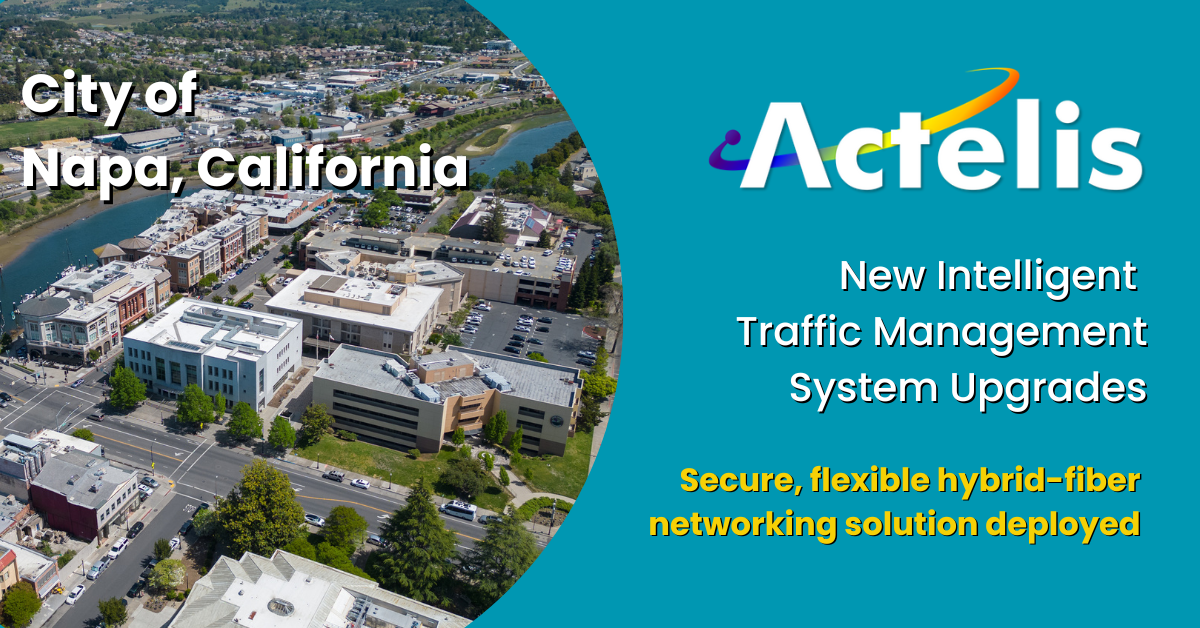
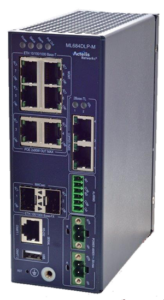
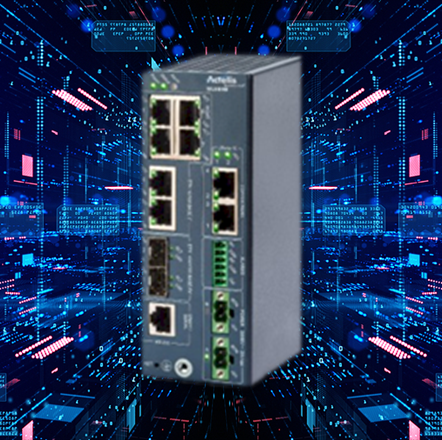
However, the roll out of ATMS relies on the availability of physical networks. While fiber and wireless will have a role to play, copper will be the predominant medium, since it is already in place and capable of bringing IP devices into a broadband carrier Ethernet ATMS network. The Actelis ML series of Ethernet Access Devices (EADs) is already being deployed widely by municipalities and transport authorities all over the world to deploy ATMS.

Upcoming Events

ITS World Congress
November 16-20, 2008
View Events >>

Leadership Awards

Actelis continues to lead the industry. View Awards >>

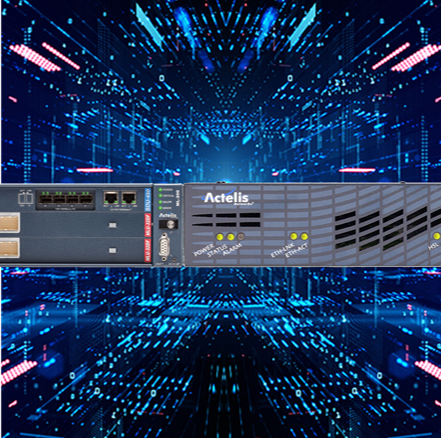
ML650

EAD for Mobile Backhaul with speeds up to 100 Mbps
ML650 >>